Apple ramps up iPhone Duo production to meet soaring demand
The tech giant has raised its initial shipment target to 14 million units after pre-orders for the first folding phone triggered immediate supply chain adjustments.
By Thabo Mokoena ·
For consumers eager to get their hands on the first folding iPhone, the wait has begun. Apple has significantly accelerated production of the iPhone Duo, a move that signals the company is betting heavily on sustained consumer interest rather than a one-time launch spike. This shift means that while early adopters face initial delays, the manufacturing pipeline is now moving at a faster pace to ensure the device reaches more customers by the end of the year.
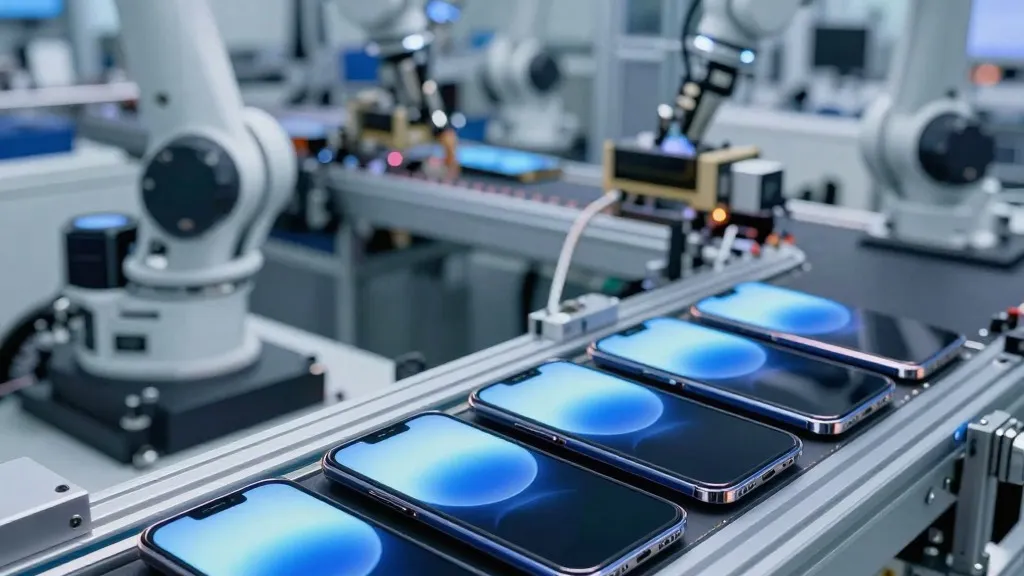
According to supply chain reports from DigiTimes, Apple has increased its order quantities for the iPhone Duo by more than 40%. This escalation in production is a direct response to what the company characterized as “extraordinary” pre-order demand. The data suggests that the initial hesitation regarding availability was driven by strong market appetite rather than logistical bottlenecks, prompting Apple to adjust its targets upward immediately after the launch window opened.
Pre-orders for the device went live on Friday, October 16. Almost immediately, customers reported seeing extended delivery windows, with some estimates stretching into late January. Apple attributed these longer timelines to the unprecedented volume of orders. While the company has historically used similar language for previous iPhone launches, the scale of the response for this new form factor has led to a tangible shift in manufacturing priorities. To mitigate the impact of resale markets, Apple restricted purchases to a maximum of two devices per customer.
As the initial surge of orders was processed, some early buyers began receiving revised shipping dates that were sooner than initially estimated. This adjustment aligns with the recent intelligence that Apple is ramping up output. The company is no longer holding back on supply, instead opting to increase throughput to keep pace with the steady stream of confirmed orders. This proactive approach suggests confidence in the device’s long-term market performance.
The most significant change in this new strategy is the upward revision of shipment targets. Apple now anticipates shipping 14 million units of the iPhone Duo within the first 12 months of availability. This figure represents a substantial increase from the previous target of 9.7 million units. By raising the ceiling on expected sales, Apple is signaling to its supply chain partners that demand will not taper off quickly, requiring sustained production capacity through the holiday season and into the new year.
Despite the manufacturing boost, users of the new hardware are still adjusting to the software ecosystem. Early adopters have noted that third-party applications are not yet fully optimized for the folding form factor. However, Apple states that the situation is improving rapidly as developers update their software to accommodate the new interface. Initial reviews based on a week of daily usage have consistently highlighted app support as a key area of ongoing development, alongside the device’s physical design.
One point of contention in early feedback has been the reliance on Touch ID for security, a departure from the biometric standards seen in previous flagship models. This design choice has been a topic of discussion among reviewers and users. In response to potential future improvements, reports indicate that Apple is already testing prototypes for the next iteration of the device. These iPhone Duo 2 concepts are being evaluated with Face ID, suggesting the company is considering a return to facial recognition technology in future generations.
Looking ahead, the focus for Apple and its suppliers will remain on maintaining this elevated production level. The increase in shipment targets implies that assembly lines will need to operate at higher efficiency to meet the 14 million unit goal. For customers, the combination of higher production volumes and improved software support should lead to a smoother ownership experience in the coming months, even if the initial pre-order period required patience.
Source: 9to5Mac