The $0 Dividend: Trump Demands AI Giants Pay Back Local Grids
The President proposes a new energy mandate for data centers to offset rising utility bills for nearby residents.
By Gabriela Flores ·
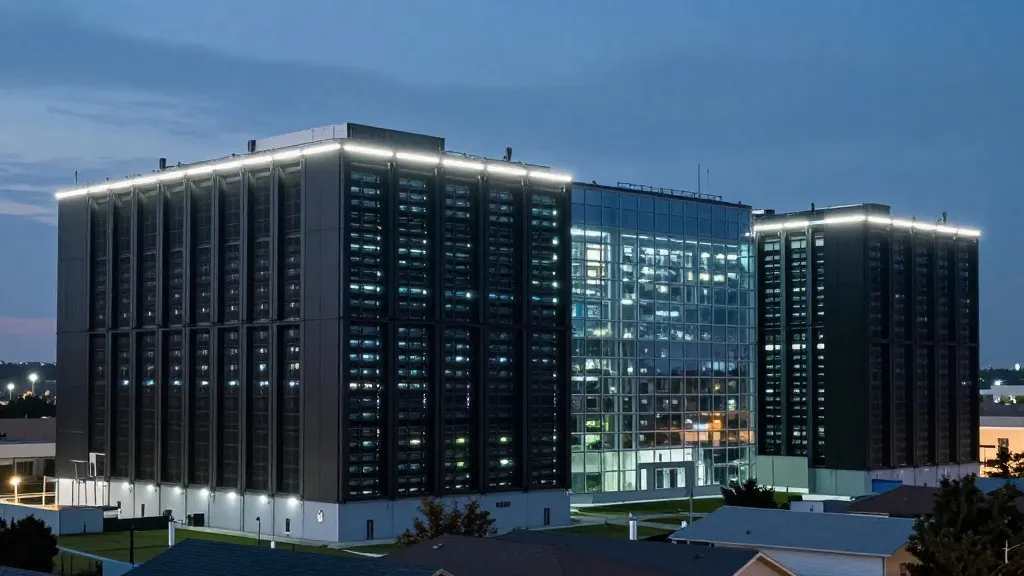
Tensions between massive AI infrastructure projects and the small communities hosting them reached a breaking point on Tuesday. President Donald Trump has proposed a new energy mandate designed to force data center builders to pay a direct financial dividend to local populations. The move aims to turn hostile neighbors into willing hosts by directly addressing the rising electricity costs that have sparked widespread protests across the Midwest and beyond.
In a post on Truth Social, the President outlined a strategy where hyperscalers must not only generate their own power but also return excess energy to the local grid. The core of the proposal is that this surplus should be given or sold back to the community to prevent price hikes or even lower existing rates. Trump argued that when a financial deal is struck, data centers transform from unpopular intruders into popular local assets, urging developers to "MAKE DEALS, and get them built!!!"
The administration’s push is driven by a dual need to stay ahead of China in the AI arms race while winning back favor with voters. Local communities have long complained about the outsized footprint of these facilities, citing noise pollution, air quality issues, deforestation, and severe water shortages. By tying the dividend specifically to energy costs, the White House is targeting one of the most immediate pain points for households living near these massive installations.
This directive builds on previous orders requiring companies to shoulder the cost of grid upgrades rather than passing those expenses on to local taxpayers through taxes. The recent act mandates that data centers pay for the infrastructure needed to support their high energy demands. The new dividend proposal extends this logic, suggesting that the power generated on-site should actively subsidize the local grid rather than just offsetting the facility's own consumption.
However, significant questions remain about the practical application of this mandate. Critics note that calling it a "dividend" is economically complex, as companies typically only pay such distributions when they are profitable. New data center builds are often in a capital-intensive phase for years before turning a profit, raising doubts about when or if these payments will actually materialize for residents.
There are also technical concerns regarding the source of this excess energy. Much of the short-term power generation being installed at these sites relies on gas-powered generators, which are often noisy and less efficient than conventional power plants. For residents living in close proximity, the addition of these local generation units may not feel like a net benefit, despite the potential financial offset.
While the financial incentive addresses the cost of electricity, it does not solve other major complaints such as enormous water consumption and ecological damage. The mandate is a gesture that may help with public relations, but it leaves the broader environmental and logistical challenges of housing AI infrastructure largely unaddressed. Whether this financial lever is enough to turn the tide in the coming months remains an open question.
Source: Tom's Hardware